Sheng Thao
Introduction
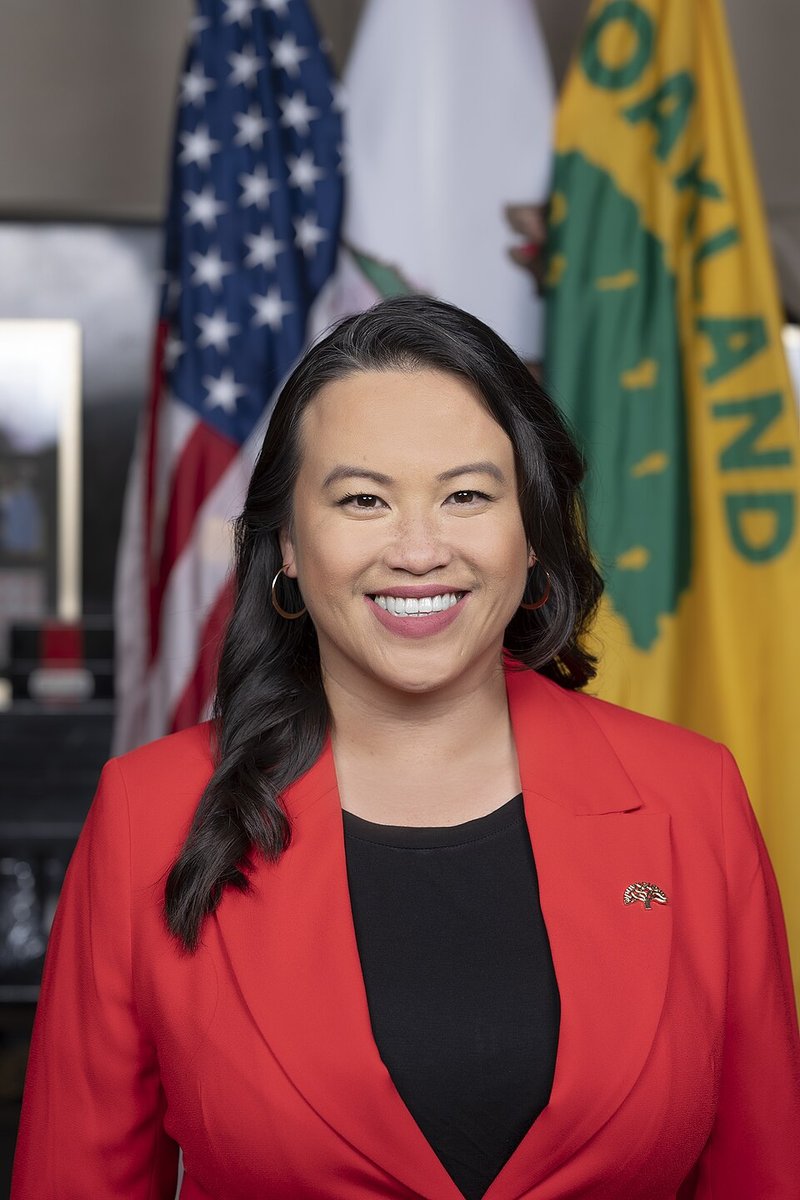
Sheng Thao is an American politician who served as the 51st mayor of Oakland, California, from January 2023 until she was recalled from office in November 2024, the first successful removal of a mayor in the city’s history. Her tenure was closely watched: a mayoral race won by fewer than 700 votes, a mid-term FBI raid on her home, and a recall that removed her less than two years into her first term. In January 2025, federal prosecutors indicted Thao and her longtime partner on bribery charges, alleging a pay-to-play scheme tied to city contracts. She has pleaded not guilty; trial is set for October 2026.
Background Information
Thao was born in 1985 in Stockton, California, to refugees from Laos. The seventh of ten children, she grew up in poverty and spent part of her childhood in public housing. As a young adult in Oakland, she was a victim of domestic violence and, after leaving the relationship while pregnant, lived in her car. Raising her son as a single mother, she returned to school, earning an associate’s degree at Merritt College before transferring to UC Berkeley for a bachelor’s degree in legal studies with a minor in city planning.
After graduating, Thao worked for Oakland City Councilmember Rebecca Kaplan, eventually becoming her chief of staff. In 2018 she ran for the District 4 City Council seat, winning with 54 percent of the vote and becoming the first Hmong woman elected to a city council in California.
In November 2022, Thao won the mayoral race through ranked-choice voting by fewer than 700 votes over her more moderate opponent, Loren Taylor. She took office in January 2023, pledging to focus on crime, homelessness, and affordable housing.
The Controversy or Incident That Led to Their Cancellation
Thao’s tenure was thrown into turmoil almost immediately. Within weeks of taking office, she placed popular Police Chief LeRonne Armstrong on leave and then fired him over his handling of a police misconduct investigation — a decision critics argued left the city without a permanent chief for nearly a year during a crime surge. Her administration also missed the deadline for a state retail-theft grant, losing millions in funding.
As criticism mounted, the Oakland Police Officers Union and, following a federal raid, the local NAACP chapter each called on her to resign. The pivotal blow came in June 2024, when the FBI, with IRS and Postal Inspection Service agents, raided Thao’s home and three other properties in a corruption investigation — two days after the recall petition organized by Oakland United to Recall Sheng Thao was certified. Thao had not yet been charged, and she maintained she had been told she was not a target. In a defiant statement she said she had done nothing wrong and had no plans to resign.
Oakland voters recalled Thao on November 5, 2024, about 64 percent in favor and 36 percent opposed — the first successful mayoral recall in Oakland’s history. The vote came on the same ballot as the recall of Alameda County District Attorney Pamela Price, amid a broader statewide backlash against progressive officeholders.
Public Reaction and Consequences
Reaction to the recall was sharply divided. Critics, including the police union, blamed her on crime and what they called fiscal mismanagement; supporters pointed to a reduction in homicides and the closure of homeless encampments. The recall campaign had been heavily funded by hedge fund executive Philip Dreyfuss, whom Thao accused in an open letter of trying to buy the city government. In a statement acknowledging defeat, Thao said serving as mayor had been “an honor of a lifetime.”
City Council President Nikki Fortunato Bas became interim mayor, and a special election in April 2025 was won by longtime U.S. Representative Barbara Lee.
The fallout intensified on January 17, 2025, when federal prosecutors unsealed an indictment naming Thao, her partner Andre Jones, and two local businessmen, Andy and David Duong, on charges of bribery, conspiracy, and mail and wire fraud. Prosecutors alleged a pay-to-play arrangement in which the city would renew its recycling contract with the Duongs’ company, Cal Waste Solutions, and purchase housing from a company the brothers co-owned, in exchange for the brothers funding negative mailers against Thao’s 2022 opponents and paying Jones for a no-show job. If convicted on all counts, each defendant faces up to 35 years in prison.
The indictment split local politics. Defeated 2022 opponent Loren Taylor said he was angered, arguing Oaklanders had had “democracy stolen from them by this corruption”; recall leader Seneca Scott said the charges validated his concerns. Even Barbara Lee, who had opposed the recall, called the allegations “devastating,” noting that “every individual is entitled to constitutional protections and a presumption of innocence, but City Hall must never be for sale.”
New court filings in July 2026 made the case considerably broader. Prosecutors alleged that as early as 2019, then-councilmember Thao fed Andy Duong “sensitive” information on internal City Council deliberations, that in 2021 she helped Jones falsely document a $150,000 job to secure the couple’s home lease, and that in 2023 the couple had the recycling company pay for a $5,000 table at a political fundraiser. The filings also alleged that Andy Duong “regularly took surreptitious photos and videos of politicians in compromising positions for potential use against them,” and that the group paid $10,000 to a reporter’s associate to bury a story about a politician’s conduct during a delegation trip to Vietnam. Two co-conspirators — Mario Juarez, co-founder of the Evolutionary Homes housing company, and San Leandro Councilmember Bryan Azevedo — have pleaded guilty and are expected to testify against the defendants, who all maintain their innocence.
Current Status
Thao left office on December 17, 2024; Barbara Lee has since taken the mayor’s seat. Thao has pleaded not guilty to the federal charges. Judge Yvonne Gonzalez Rogers has set trial for October 19, 2026, with jury selection the week before and the prosecution expected to take about three weeks. The defense has fought to exclude evidence it says was obtained improperly, while the prosecution trimmed its 1,700-plus exhibit list to 500 items; more than 2.5 terabytes of discovery have been produced. As of the sources reviewed, no conviction has been entered, and the presumption of innocence applies.
Impact on Their Career/Life
The recall ended Thao’s run as the first Hmong American mayor of a major U.S. city, a distinction quickly overshadowed by the corruption case, which has expanded into a sprawling East Bay pay-to-play prosecution — carrying potential sentences of up to 35 years for each defendant. It has become a widely cited example of a corruption scandal in a major California city and fueled debate about accountability and money in local politics.